Thyroid Diet Plan in India: What Food Can and Cannot Do
By admin · Published October 19, 2026 · Updated October 19, 2026
Thyroid concerns are common reasons people search for a special diet. But no single food plan cures hypothyroidism, and dietary changes should complement prescribed treatment.
What matters most
An eating pattern built on vegetables, legumes, whole grains, fruits, nuts and suitable protein supports general health. Iodine is important, but taking high-dose iodine or kelp without advice can be harmful in some thyroid conditions.
Practical Indian meal ideas and action steps
Build meals around dal, roti, seasonal vegetables, dairy or alternatives and adequate protein. Use iodized salt in normal culinary amounts while keeping total sodium moderate. If taking levothyroxine, follow your prescriber’s instructions about empty-stomach timing and separation from iron or calcium supplements.
Common mistakes to avoid
Do not stop thyroid medicine, avoid all cruciferous vegetables without reason, or assume weight changes always come from thyroid dysfunction.
A practical next step
Start with one change you can follow consistently for two weeks, such as adding a protein food to breakfast, increasing vegetables or planning weekday dinners. Review energy, hunger, daily routine and health goals before making further changes. Nutrition works best when it is personalized and sustainable.
Frequently asked question
Can I eat cabbage or broccoli with hypothyroidism?
Cooked cruciferous vegetables in ordinary dietary amounts are generally compatible with a balanced diet; discuss unusual restrictions with your clinician.
Explore related support
Book a dietitian consultation ↗
Further reading
General education only. Not a substitute for individualized medical advice. No diet can guarantee a particular result.
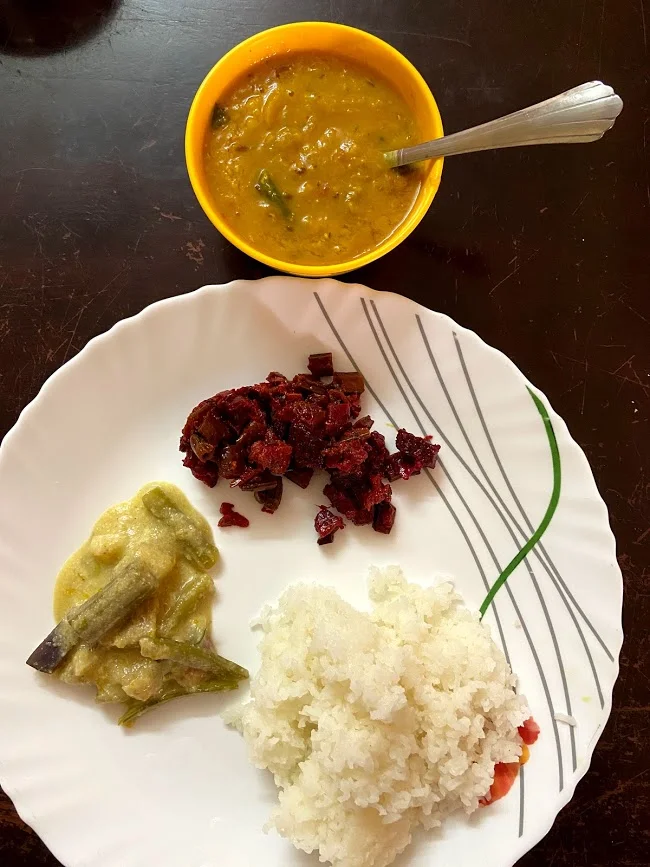
Illustrative image. Photo: File:Lunch with Rice and Dal and Vegetables.jpg by Keka De · CC BY-SA 4.0. Resized and converted to WebP.