Heart-Healthy Indian Diet: Everyday Foods for Better Cardiovascular Health
By admin · Published October 19, 2026 · Updated October 19, 2026
Cardiovascular-friendly eating can still look like familiar Indian home food. The biggest improvements often come from cooking methods and food balance rather than exotic ingredients.
What matters most
A pattern rich in vegetables, fruit, pulses, whole grains and nuts supports heart health. Limiting excess sodium, trans fat and saturated fat is also important.
Practical Indian meal ideas and action steps
Choose vegetable sambar, dal, legumes, chapati or rice in suitable portions, fruit and unsalted nuts. Use measured amounts of unsaturated cooking oils, limit salty packaged snacks, and flavour foods with herbs and spices rather than adding more salt. Include fish if you eat it.
Common mistakes to avoid
Do not assume “pink salt” is harmless in unlimited amounts or stop cholesterol or blood-pressure medicines because your diet improved.
A practical next step
Start with one change you can follow consistently for two weeks, such as adding a protein food to breakfast, increasing vegetables or planning weekday dinners. Review energy, hunger, daily routine and health goals before making further changes. Nutrition works best when it is personalized and sustainable.
Frequently asked question
Is ghee completely forbidden?
Not necessarily, but its saturated fat contribution matters; amounts depend on the overall diet and individual medical advice.
Explore related support
Book a dietitian consultation ↗
Further reading
General education only. Not a substitute for individualized medical advice. No diet can guarantee a particular result.
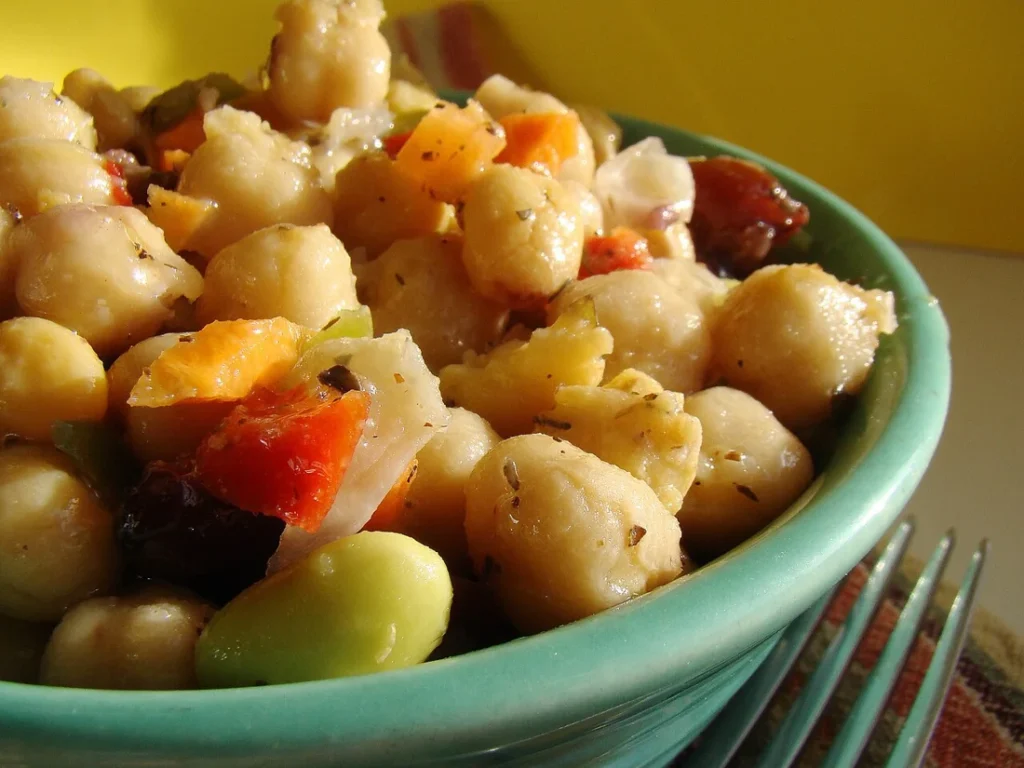
Illustrative image. Photo: File:Autumn Chickpea Salad (3986173540).jpg by Vegan Feast Catering · CC BY 2.0. Resized and converted to WebP.