
Millets vs Rice vs Wheat: Which Is Better for Weight Loss?
By admin · Published October 19, 2026 · Updated October 19, 2026
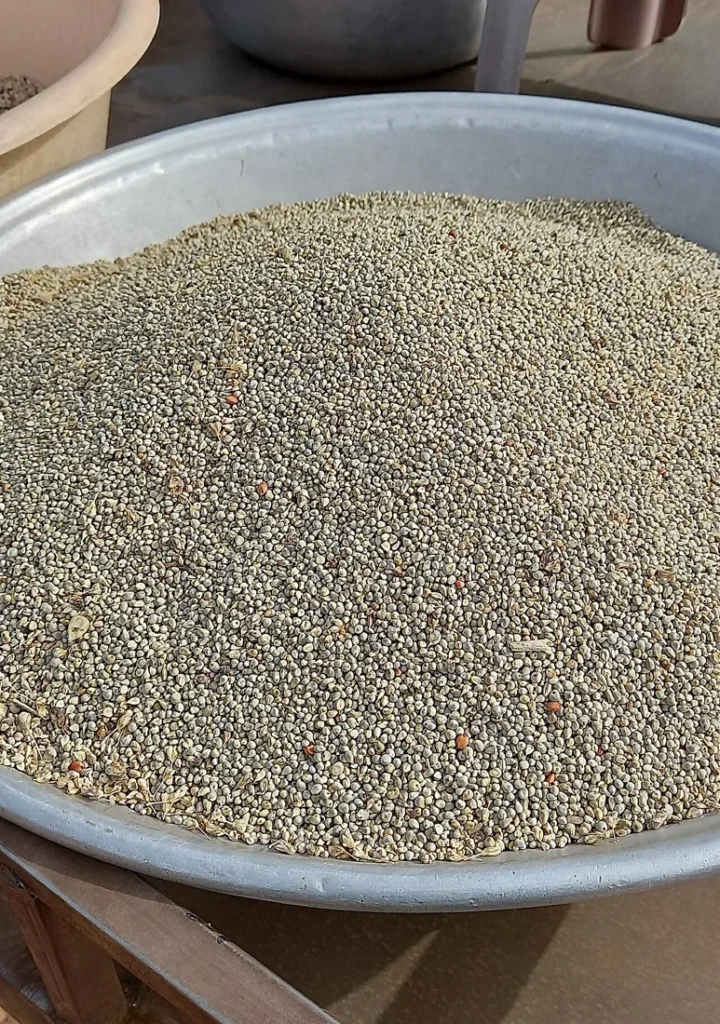
Millets have become popular as alternatives to rice and wheat, but the best grain is not decided by a single “superfood” label.
What matters most
Ragi, bajra, jowar, rice and wheat each differ in fibre, micronutrients, texture and how they are prepared. Processing and serving size influence their nutritional value and their place in a healthy diet.
Practical Indian meal ideas and action steps
Rotate grains according to taste and local availability: jowar roti with dal, ragi dosa with sambar, bajra khichdi with vegetables, rice with rajma or wheat roti with sabzi. Prefer minimally processed options, and build complete meals rather than eating a very large portion of any one grain.
Common mistakes to avoid
Replacing rice with unlimited millet portions will not automatically create a calorie deficit. People with special clinical dietary restrictions should individualize grain choices.
A practical next step
Start with one change you can follow consistently for two weeks, such as adding a protein food to breakfast, increasing vegetables or planning weekday dinners. Review energy, hunger, daily routine and health goals before making further changes. Nutrition works best when it is personalized and sustainable.
Frequently asked question
Can I eat rice every day and still manage weight?
Yes. Overall portions, nutrition balance and long-term habits matter more than avoiding rice completely.
Explore related support
Book a dietitian consultation ↗
Further reading
General education only. Not a substitute for individualized medical advice. No diet can guarantee a particular result.
Illustrative image. Photo: File:Millet Grains.jpg by IBS-Gh · CC BY-SA 4.0. Resized and converted to WebP.